From prehistoric cave paintings to contemporary artworks

A Timeline of the History of Art

Follow the development of artistic expression from prehistoric ritual to contemporary media. Discover what techniques, materials, and ideas helped shape art throughout the ages.

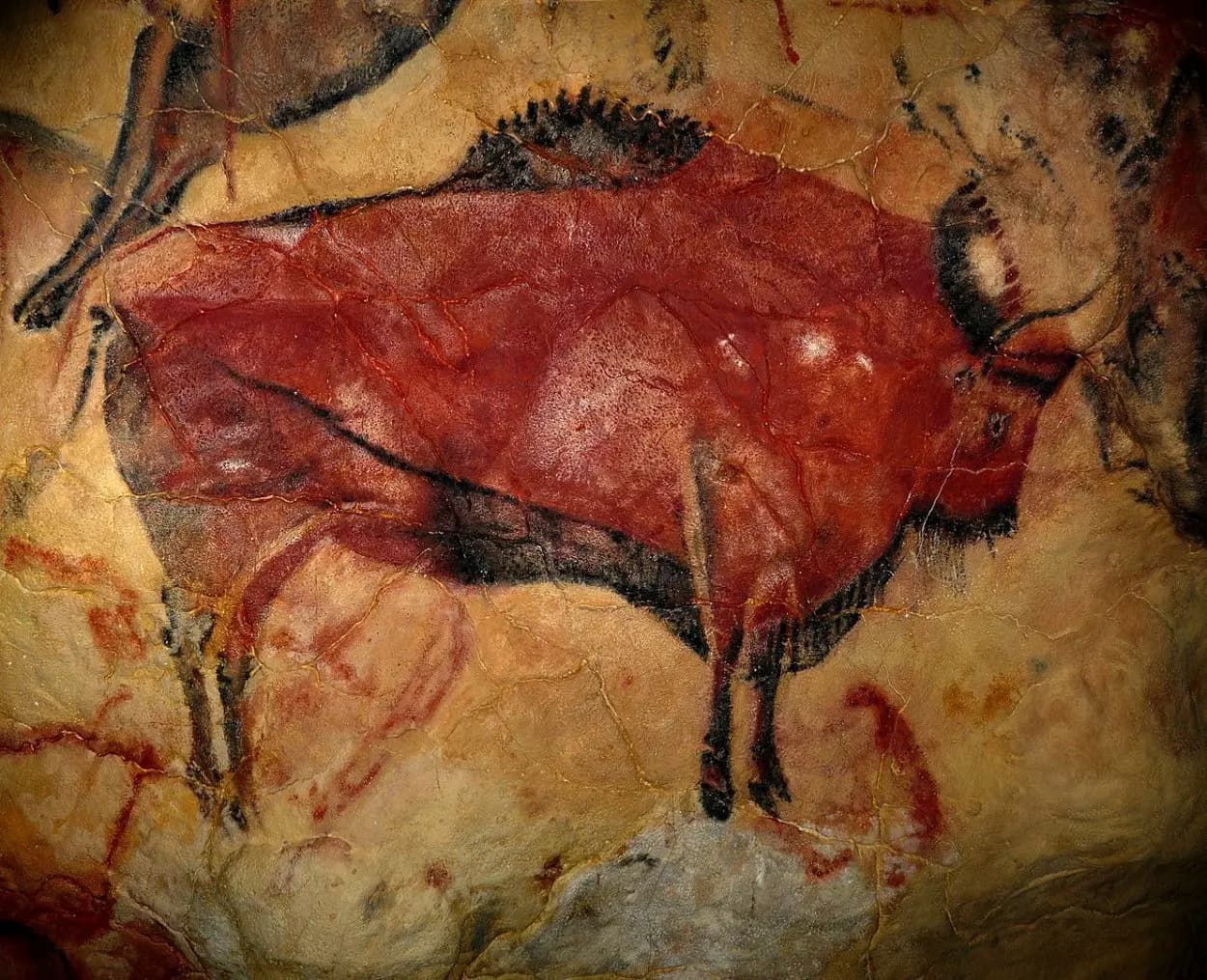
  1. Prehistoric Art, Paleolithic representative artwork

    c. 40,000–4,000 BCE

    Prehistoric Art, Paleolithic

    In the Paleolithic Age, also known as the Old Stone Age, small bands of hunter-gatherers starts painting bison, horses, and handprints to bring good fortune to the hunt and to communicate with nature spirits. The materials are very primitive, with pigment of ochre and charcoal applied directly to rock using their hands.

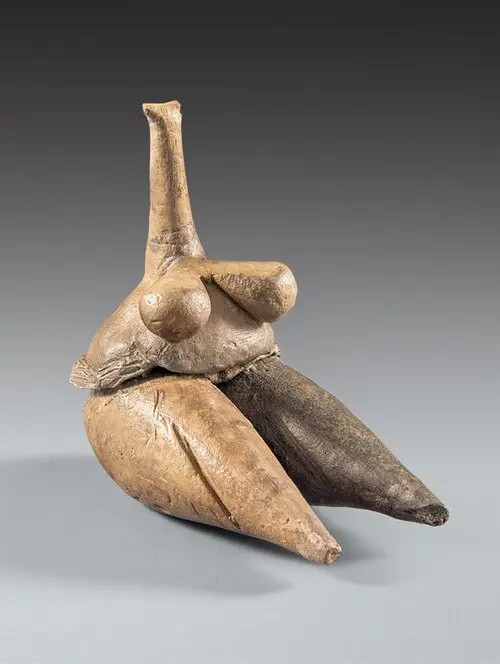
  2. Prehistoric Art, Neolithic representative artwork

    c. 7,500–3,000 BCE

    Prehistoric Art, Neolithic

    During the New Stone Age, humans create the first settlements and become farmers. They learn new techniques, such as pottery, and use it both to store the harvest, but also to model goddesses, cattle, and ancestors.

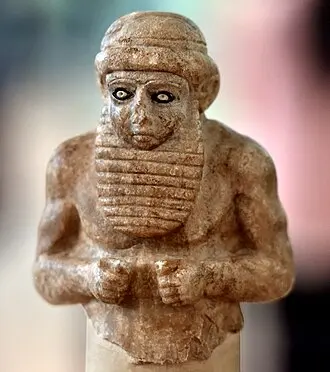
  3. Sumerian representative artwork

    c. 4,000–600 BCE

    Sumerian

    In ancient Mesopotamia civilization starts to take form. Artists create tributes to kings and gods, carving and forming materials such as clay and alabaster, but also more luxurious materials such as lapis, and precious metals.

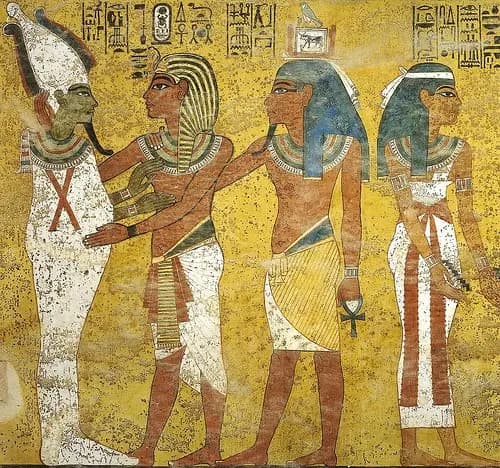
  4. Ancient Egypt representative artwork

    c. 3,100–30 BCE

    Ancient Egypt

    Skilled draftsmen and stone carvers portray pharaohs, gods, and daily rites to guarantee the afterlife, cutting limestone and granite, and filling sunk relief with mineral color, and sheathing shrines in gold leaf.

  5. Aegean representative artwork

    c. 2,800–1,100 BCE

    Aegean

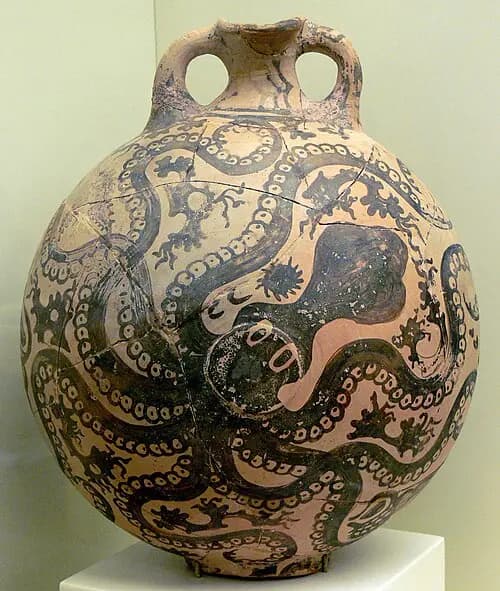
    Around the Aegean Sea Cycladic carvers, Minoan fresco painters, and Mycenaean goldsmiths create goddess figures, sea creatures, and rulers, shaping marble into figures, and laying fresco on palace walls.

  6. Archaic Greece representative artwork

    c. 800–480 BCE

    Archaic Greece

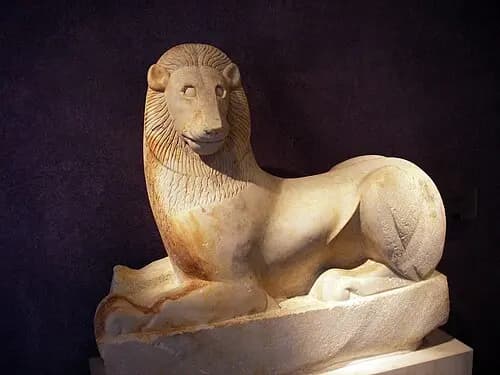
    Workshop sculptors and temple builders create kouroi (sculptures of young men) and korai (sculptures of young, draped maidens). The techniques they use include carving marble, casting bronze by the lost-wax method, and painting black-figure pottery.

  7. Classical Greece representative artwork

    c. 510–323 BCE

    Classical Greece

    Sculptors like Phidias and Polykleitos, and architects on the Acropolis, portray athletes and gods using marble, casting bronze, and paint on red-figure vessels.

  8. Hellenistic representative artwork

    c. 323–32 BCE

    Hellenistic

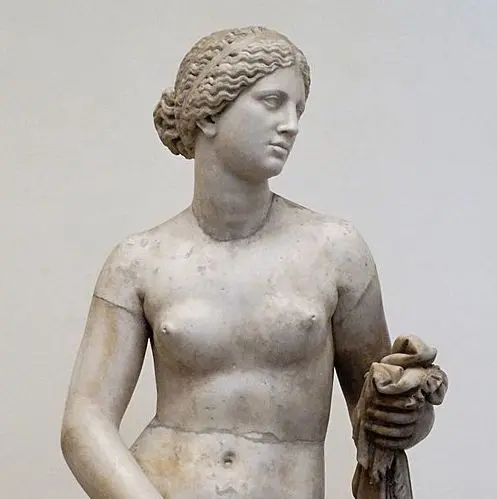
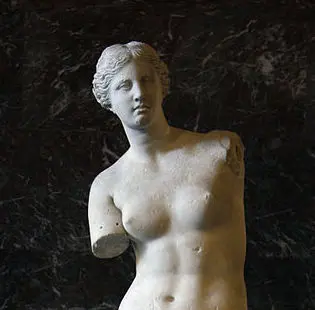
    The elites of society pay highly skilled artists to create marble sculptures, bronze figures, colored mosaics and wall paintings. Artists begin gaining more individual recognition, even signing some works. The marble sculptures typically depict mythological scenes, and are made with extreme naturalism, with realistic human figures in dramatic poses.

  9. Etruscan and Republican Rome representative artwork

    c. 900–27 BCE

    Etruscan and Republican Rome

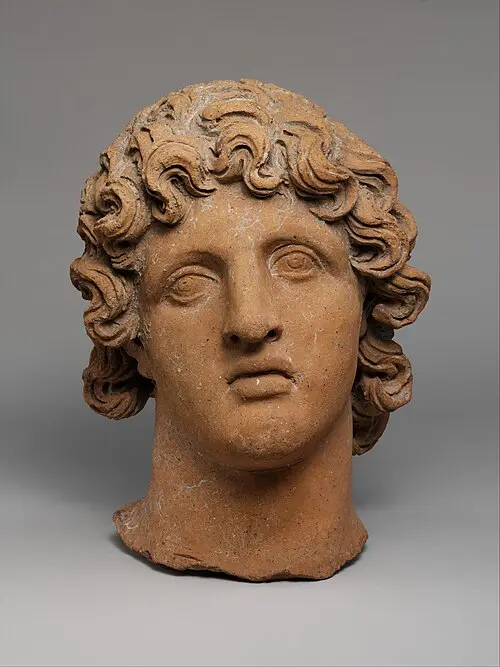
    Etruscan tomb painters and Roman patrons pictured banquets, ancestors, and augurs to honor the dead and the res publica, coiling terracotta sarcophagi, casting bronze mirrors, and frescoing chamber walls with lively color and pattern.

  10. Imperial Rome representative artwork

    27 BCE – 476 CE

    Imperial Rome

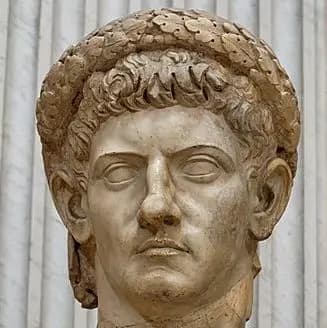
    Engineers, sculptors, and wall painters cast emperors, victories, and domestic idylls to advertise empire and adorn daily life, pouring concrete under marble veneer, carving triumphal relief, and layering fresco and encaustic in villas and tombs.

  11. Late Antique and Early Christian representative artwork

    3rd–6th centuries

    Late Antique and Early Christian

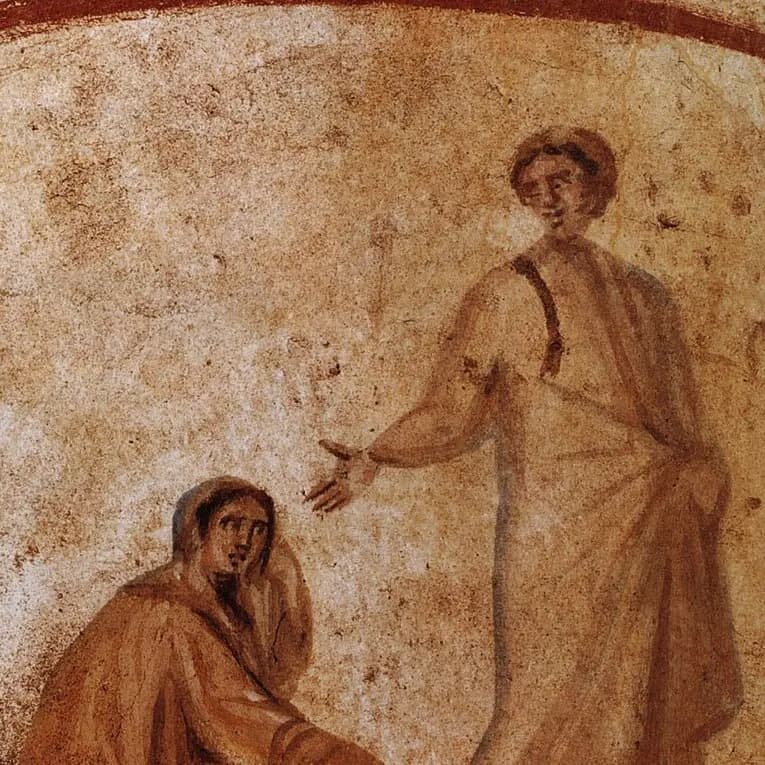
    Mosaicists, illuminators, and catacomb painters rendered Christ, martyrs, and coded symbols to guide devotion in a changing empire, piecing gold and glass tesserae into apses, washing plaster with tempera, and writing gospel scenes into purple-dyed codices.

  12. Byzantine representative artwork

    4th–15th centuries

    Byzantine

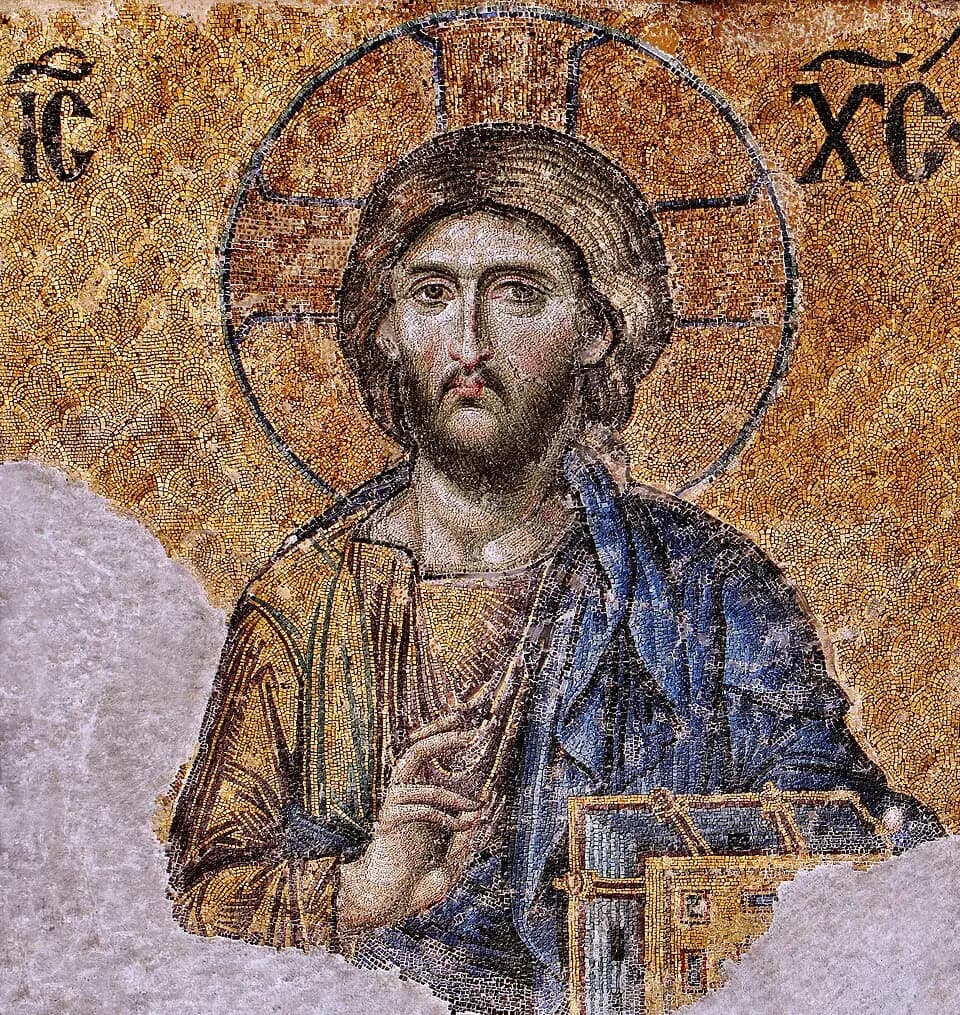
    Imperial workshops and monastic icon painters portrayed Christ Pantocrator, the Virgin, and reigning emperors to manifest heavenly light on earth, laying egg tempera on wood with gold leaf, setting glass tesserae into domes, and engineering brick-and-mortar spaces to glow with mosaics.

  13. Islamic Art representative artwork

    7th–14th centuries

    Islamic Art

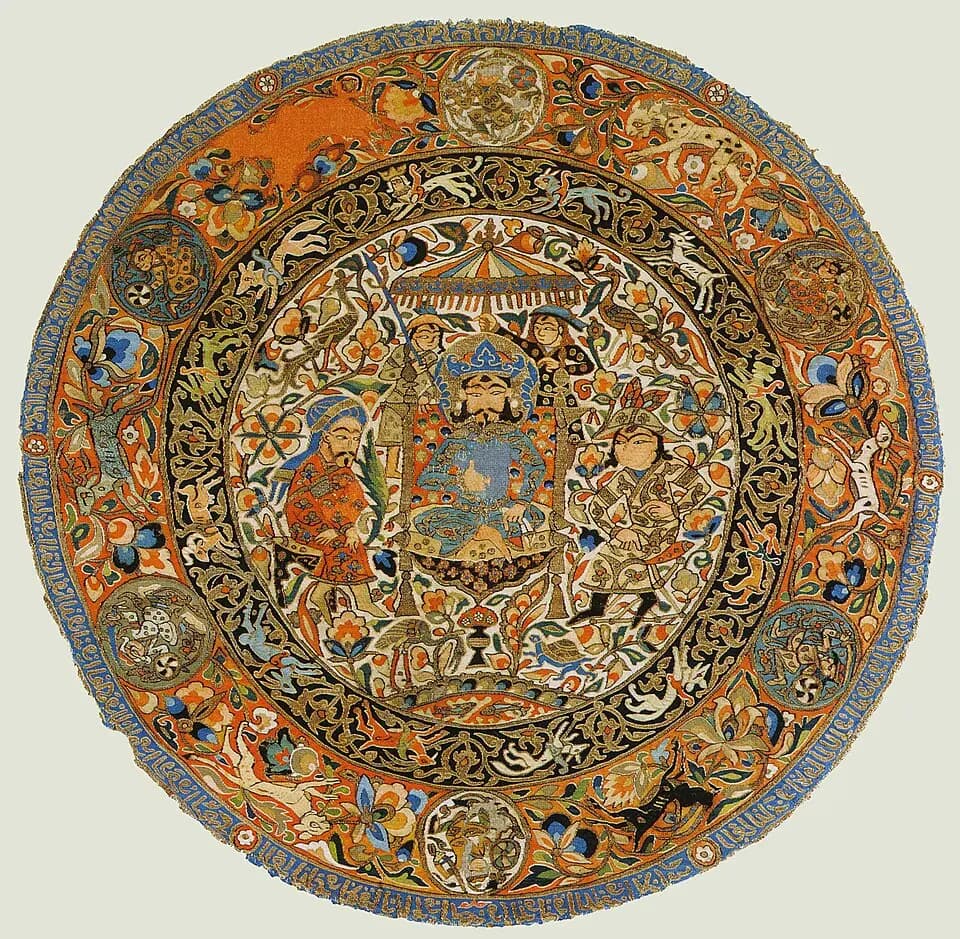
    Calligraphers, tile cutters, and architects inscribed Qur'anic verse, gardens, and geometry to honor the revealed word and delight the faithful, inking reeds on parchment, glazing cuerda seca tiles, carving stucco arabesques, and feathering muqarnas vaults across an empire of trade.

  14. Romanesque representative artwork

    10th–12th centuries

    Romanesque

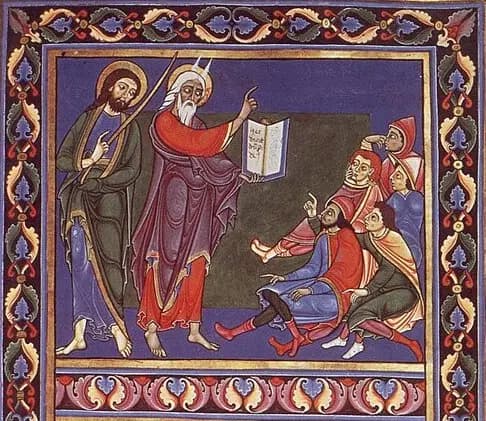
    Monastic sculptors, painters, and goldsmiths carved saints, beasts, and apostles to instruct pilgrims and guard relics, stacking thick-walled stone with round arches, brushing fresco secco over plaster, and clothing bone reliquaries in gilt and enamel.

  15. Gothic representative artwork

    12th–15th centuries

    Gothic

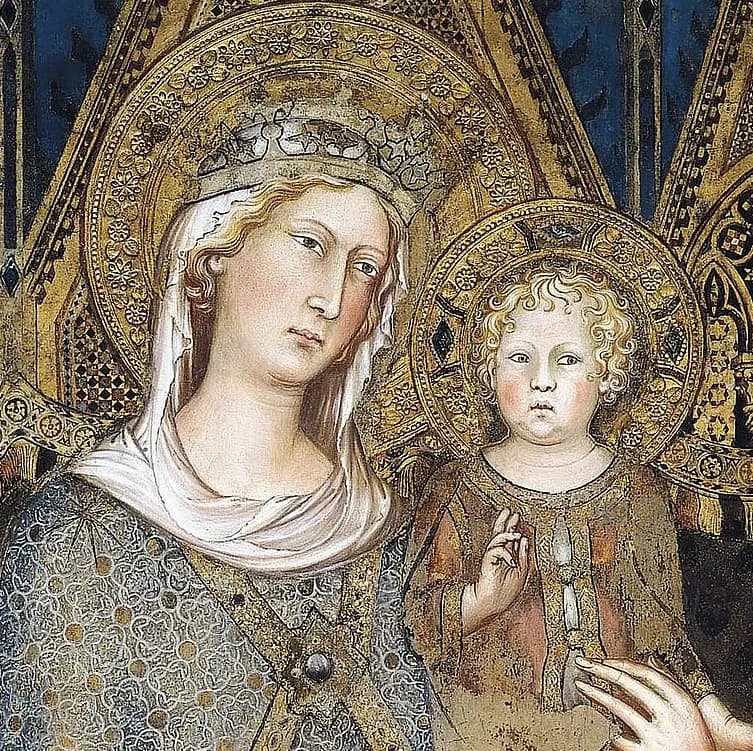
    Master masons, glaziers, and sculptors filled cathedrals with kings and prophets to lift the mind toward God, pointing arches and flying buttresses to thin walls, painting stained glass with metallic oxides set in lead cames, and carving portal figures in elongated grace.

  16. Proto-Renaissance representative artwork

    c. 1250–1400

    Proto-Renaissance

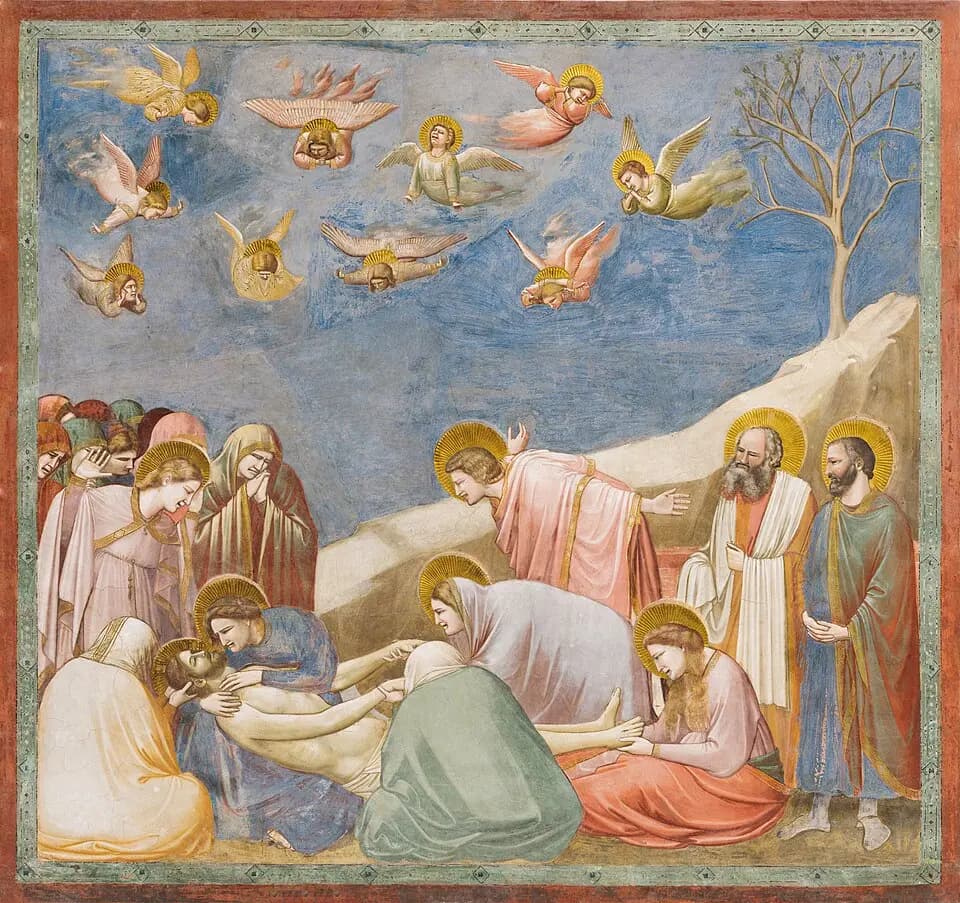
    Giotto, Duccio, and their followers cast saints and townsfolk into convincing space to stir devotion, laying buon fresco and tempera on panel with tender modeling, and borrowing classical motifs to suggest a revived human presence.

  17. Early Italian Renaissance representative artwork

    c. 1400–1495

    Early Italian Renaissance

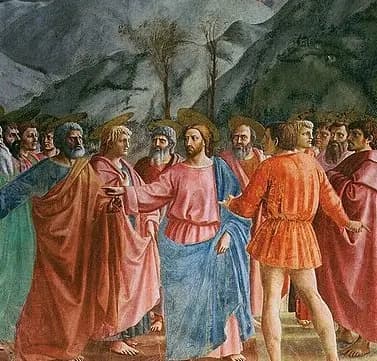
    Florentine architects, sculptors, and painters—from Brunelleschi to Masaccio—pictured scripture, classical heroes, and civic patrons to reconcile faith and reason, plotting linear perspective, studying anatomy, chiseling marble with classical clarity, and glazing frescoes with luminous color.

  18. High Renaissance representative artwork

    c. 1495–1520

    High Renaissance

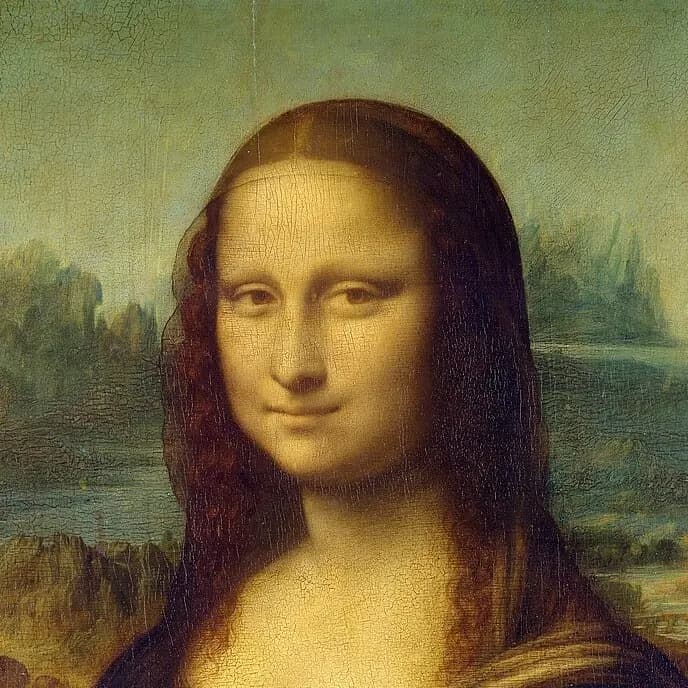
    Leonardo, Michelangelo, Raphael, and Venetian colorists portrayed saints, sibyls, and rulers to show humanity perfected, marrying balanced composition with inner drama through oil sfumato, fresco cartooning, and marble carving released from the block.

  19. Northern Renaissance representative artwork

    c. 1425–1580

    Northern Renaissance

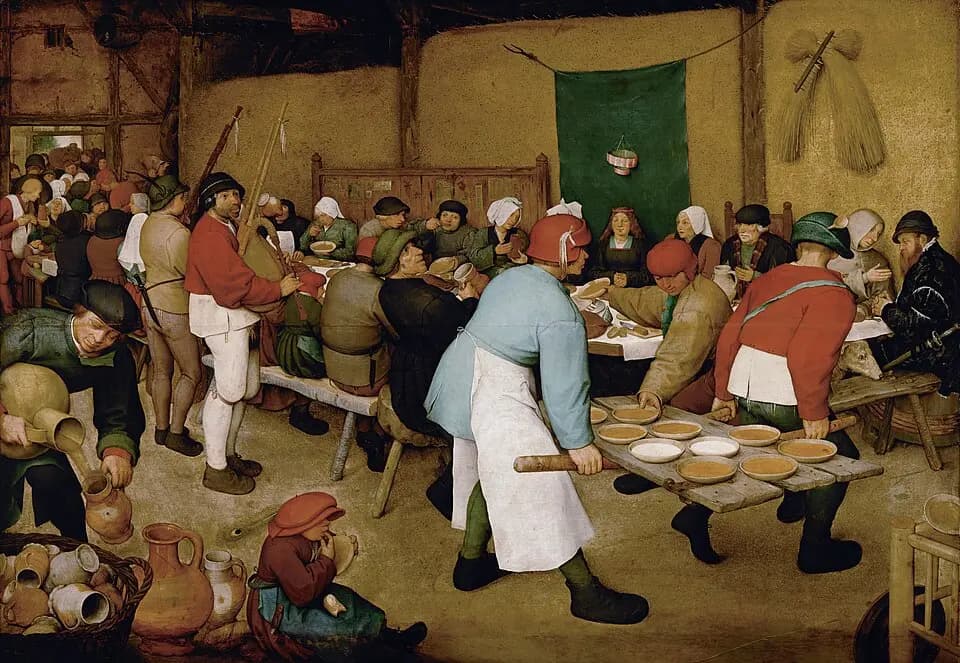
    Painters and printmakers from van Eyck to Dürer and Holbein studied merchants, reformers, and domestic altars to weld piety to observation, layering transparent oil glazes on oak panels, engraving copper plates, and annotating the world in meticulous detail.

  20. Mannerism representative artwork

    c. 1520–1600

    Mannerism

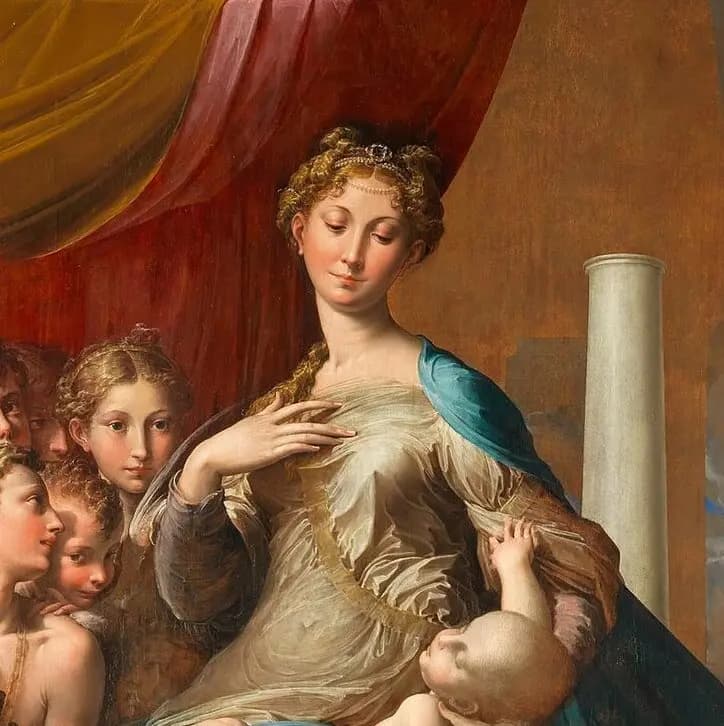
    Painters like Pontormo, Parmigianino, and Bronzino stretched saints and courtiers into elongated poses and enigmatic allegories to flaunt artifice after the High Renaissance, working in oil and fresco with cool, acidic palettes and silken contours.

  21. Baroque representative artwork

    c. 1600–1750

    Baroque

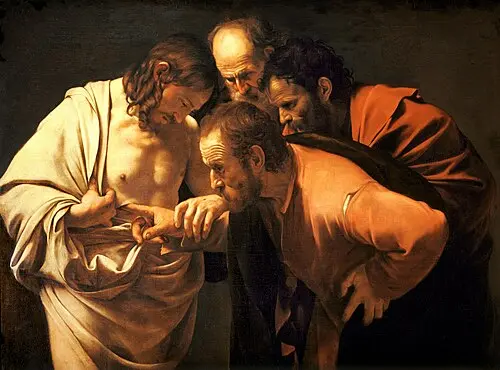
    Caravaggio, Bernini, Rubens, and their circles cast martyrs, monarchs, and angels into swirling action to persuade hearts in church and court, wielding chiaroscuro oil on canvas, gilt marble, and illusionistic ceiling frescoes that dissolve architecture.

  22. Dutch Golden Age representative artwork

    c. 1588-1672

    Dutch Golden Age

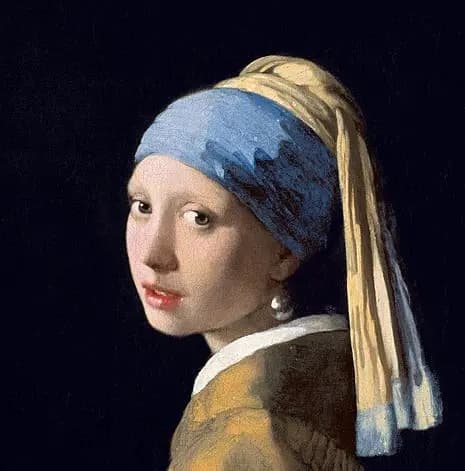
    Rembrandt, Vermeer, Hals, and Ruisdael turned merchants, interiors, canals, and scientific specimens into subjects that spoke of civic pride and personal faith, layering oil glazes on panel or canvas, etching copper plates, and balancing light against everyday gesture.

  23. Rococo representative artwork

    c. 1730–1780

    Rococo

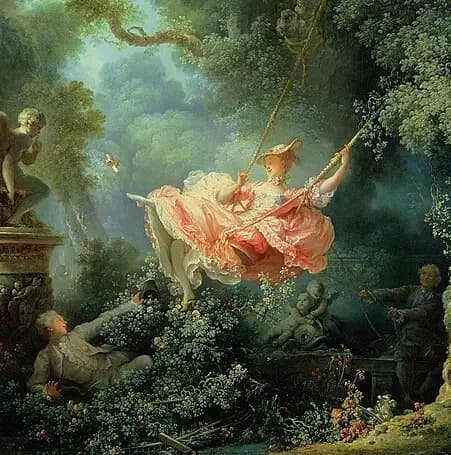
    Watteau, Boucher, and Fragonard painted fêtes galantes, boudoirs, and mythic flirtations to delight aristocratic patrons, using oil and pastel in feathered strokes, mirrored by gilded stucco and curving paneling that wrapped whole rooms in play.

  24. Neoclassicism representative artwork

    c. 1760–1850

    Neoclassicism

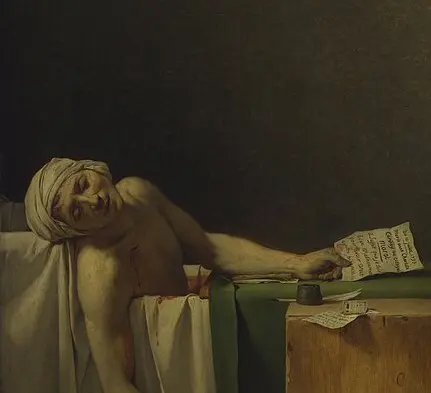
    David, Ingres, and Canova revived Roman heroes, stoic matrons, and moral exemplars to steady an age of revolution, drawing with taut contour, polishing marble to cool perfection, and composing oil narratives with clear light and measured architecture.

  25. Romanticism representative artwork

    c. 1770-1850

    Romanticism

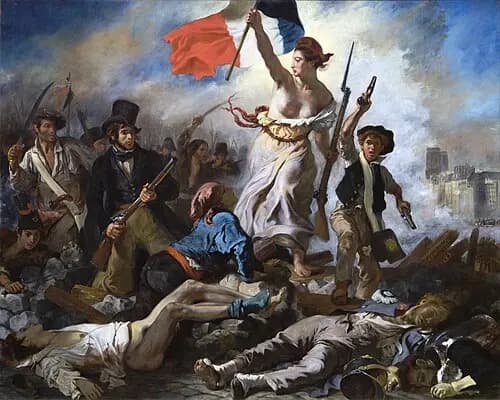
    Delacroix, Turner, Friedrich, and Goya sought storms, ruins, rebels, and visions to voice inner feeling and national anxiety, staining canvas with sweeping oil glazes, vaporous watercolor, and restless brushwork that made the sublime palpable.

  26. Realism representative artwork

    c. 1840–1880

    Realism

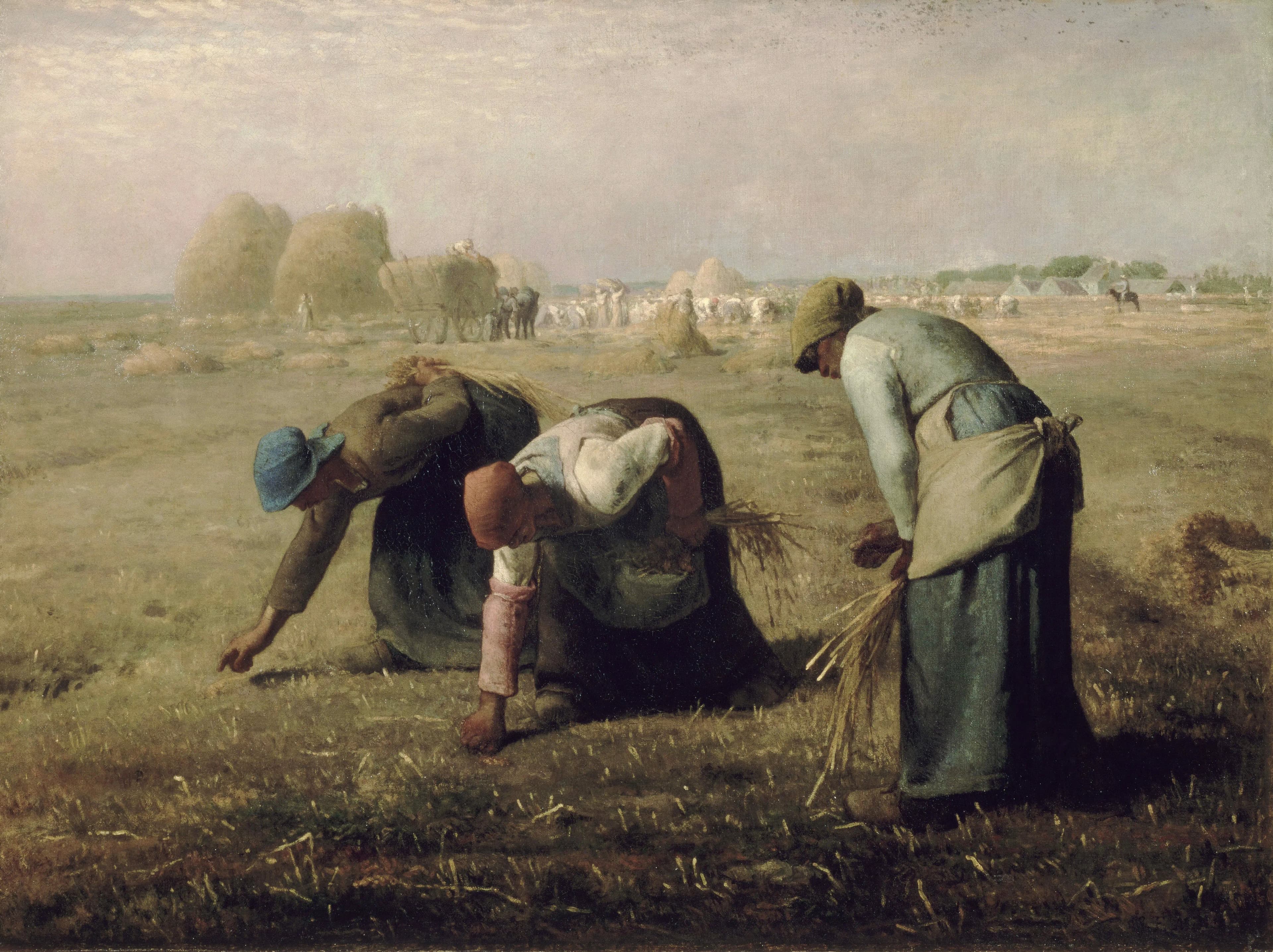
    Courbet, Daumier, and Millet painted laborers, courtrooms, and village funerals to testify to modern hardship and politics, scumbling oil with knives and coarse brushes, and printing lithographs that carried their witness into the streets.

  27. Impressionism representative artwork

    c. 1860–1886

    Impressionism

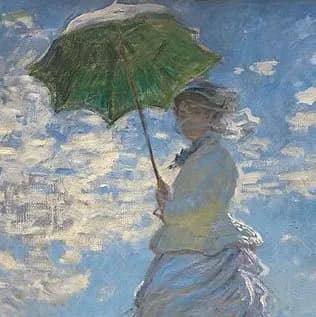
    Monet, Renoir, Degas, and Morisot painted Parisian leisure, gardens, and ballet rehearsals to fix the tremor of modern light, working en plein air with quick touches of oil color on portable canvases and favoring open composition over finish.

  28. Post-Impressionism representative artwork

    c. 1886–1905

    Post-Impressionism

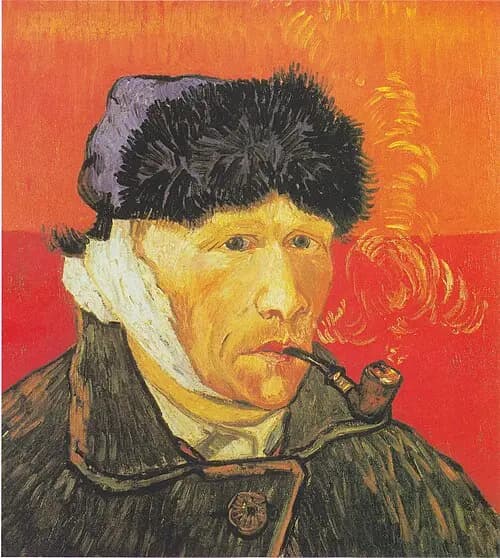
    Van Gogh, Gauguin, Seurat, and Cézanne turned to night cafés, Tahitian reveries, seaside Sundays, and mountain baths to rebuild form and feeling after Impressionism, using impasto and cloisonné contour, pointillist dots, and constructive brushstrokes that made structure visible.

  29. Symbolism and Art Nouveau representative artwork

    c. 1880–1910

    Symbolism and Art Nouveau

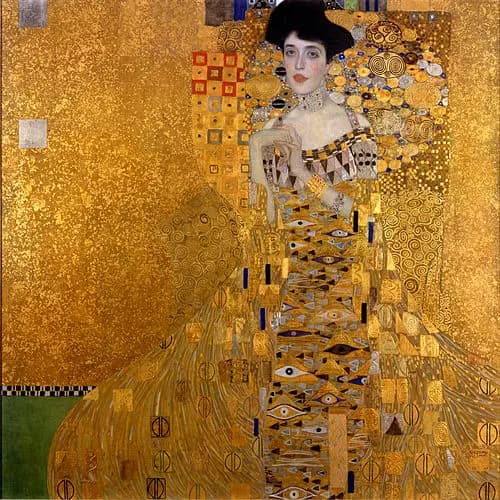
    Moreau, Redon, Klimt, and architects like Horta conjured myths, dreams, and the femme fatale to escape industrial rationalism, drawing in lithographic crayon, laying gold leaf on tempera panels, and bending iron and glass into sinuous, plantlike lines.

  30. Fauvism and Expressionism representative artwork

    c. 1905–1920

    Fauvism and Expressionism

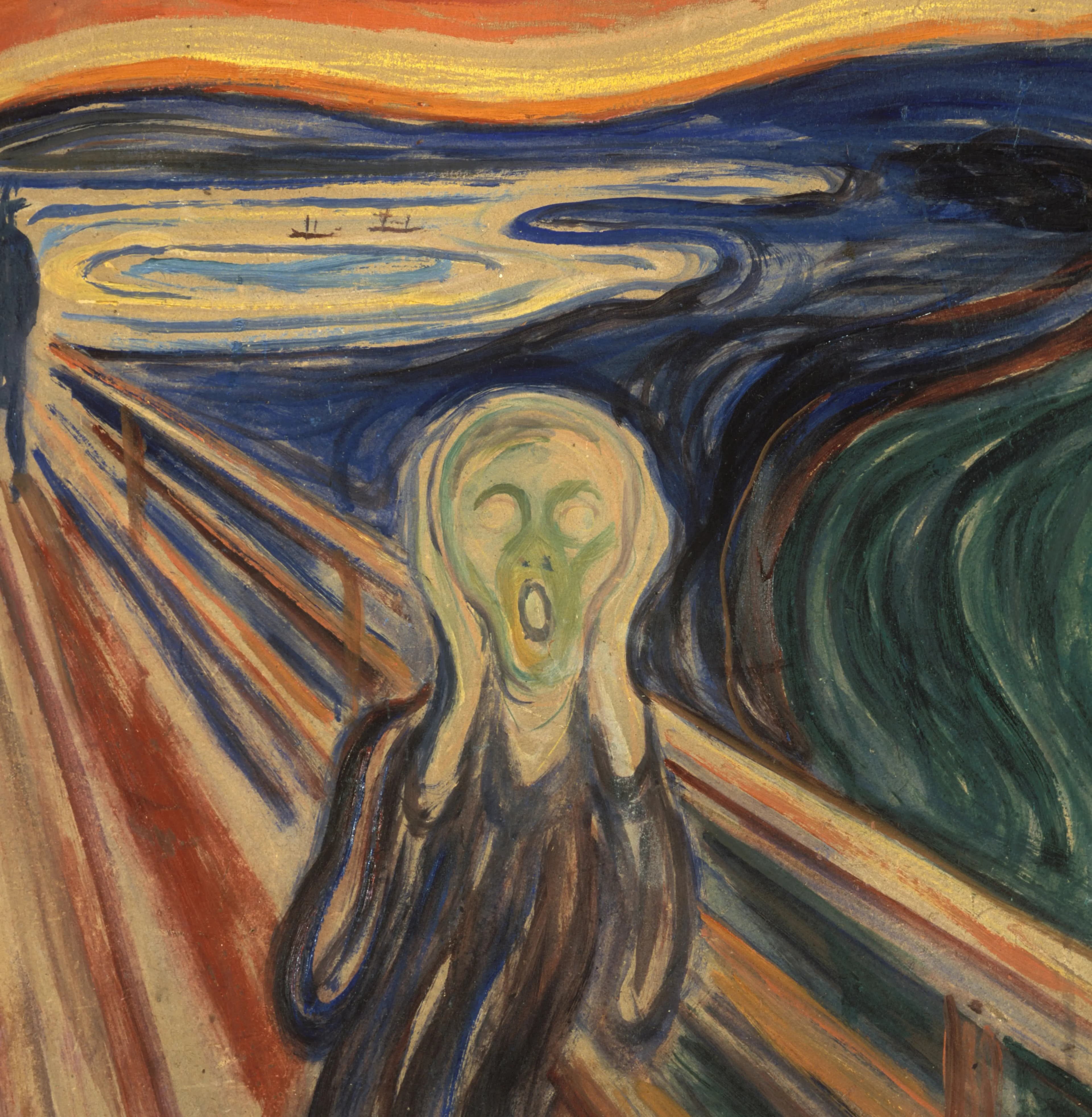
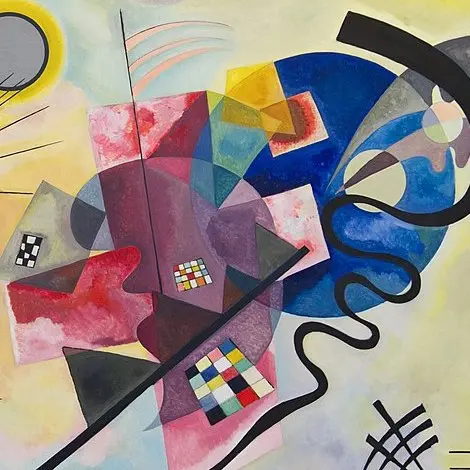
    Matisse, Derain, Kirchner, and Kandinsky painted portraits, streets, and forest scenes to proclaim feeling over fact, slashing oil paint in pure, unmixed color, rough-hewing woodcuts, and simplifying form so sensation could speak first.
  31. Cubism representative artwork

    c. 1907–1919

    Cubism

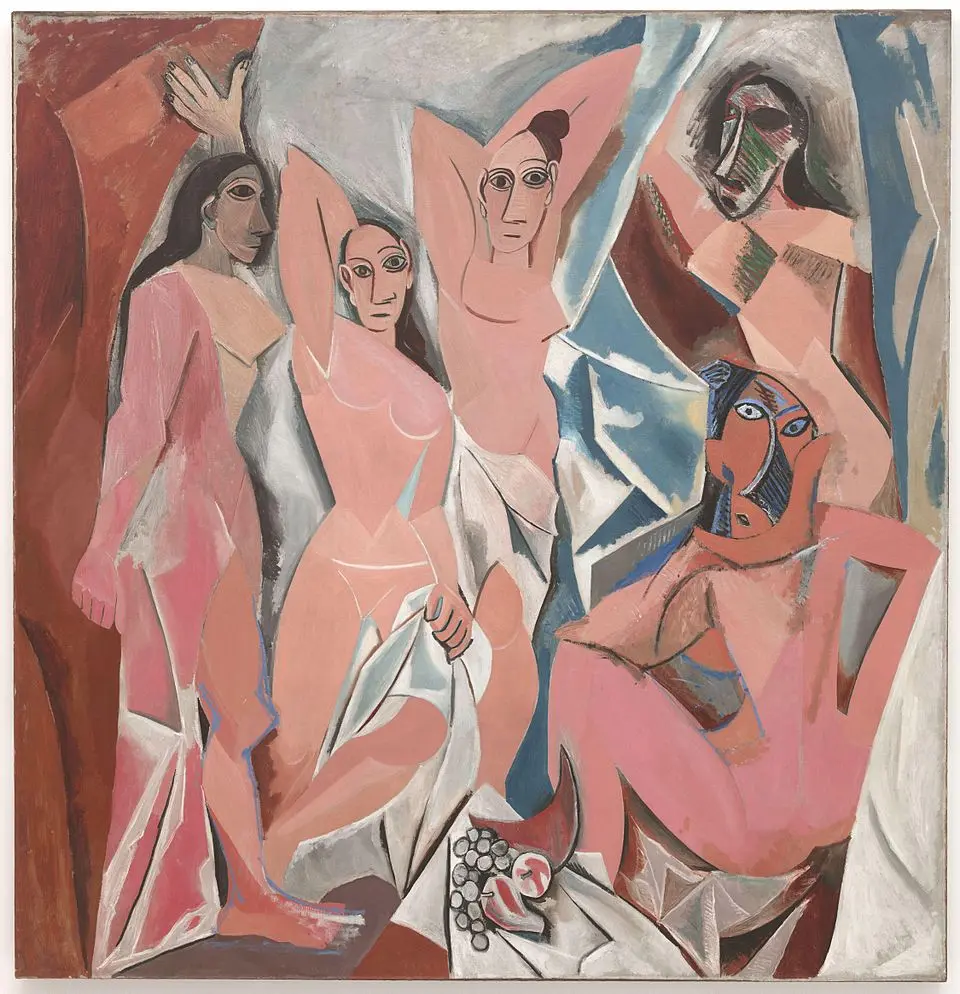
    Picasso, Braque, and Gris set guitars, bottles, and sitters into fractured planes to analyze vision and time, restricting oil palettes to ochres and greys, inventing collage with newspaper and wallpaper, and assembling papier collé that let reality intrude.

  32. Futurism and Vorticism representative artwork

    c. 1909–1916

    Futurism and Vorticism

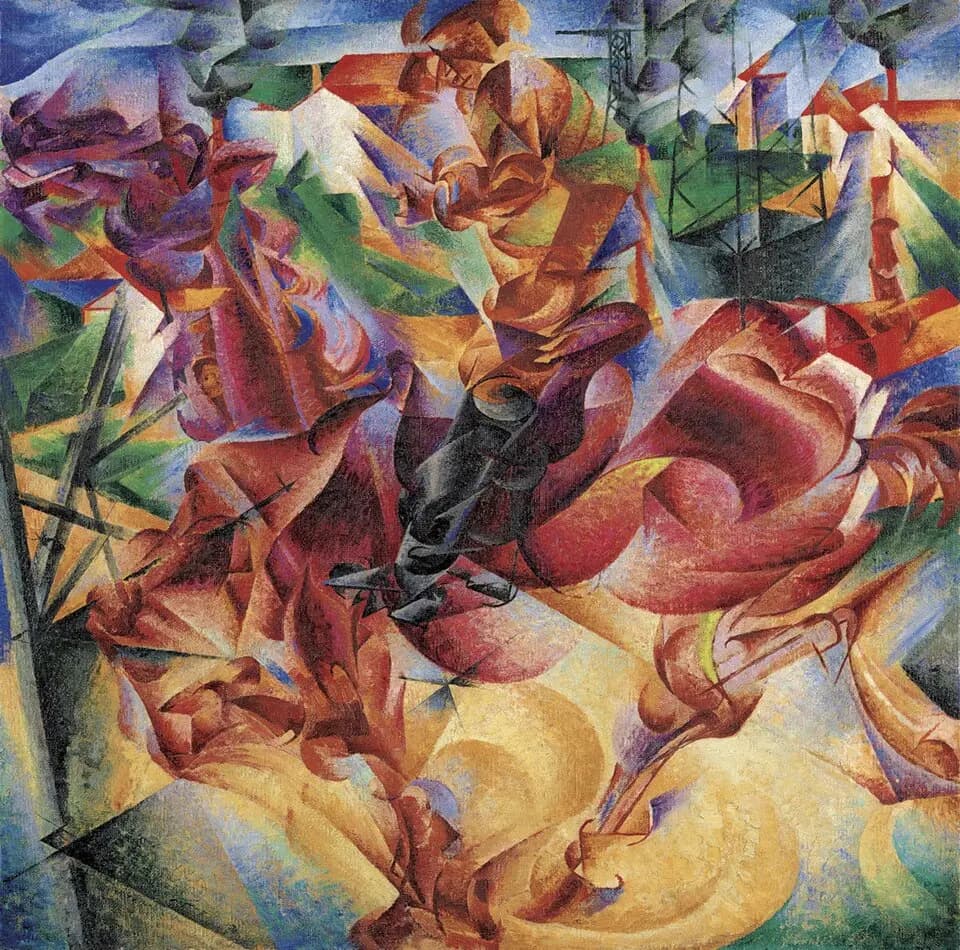
    Balla, Boccioni, Severini, and Wyndham Lewis chased engines, crowds, and speed to celebrate rupture, spiking oil paint into serrated diagonals, casting bronze with striding limbs, and printing manifestos with aggressive, tilted type.

  33. Dada representative artwork

    c. 1916–1924

    Dada

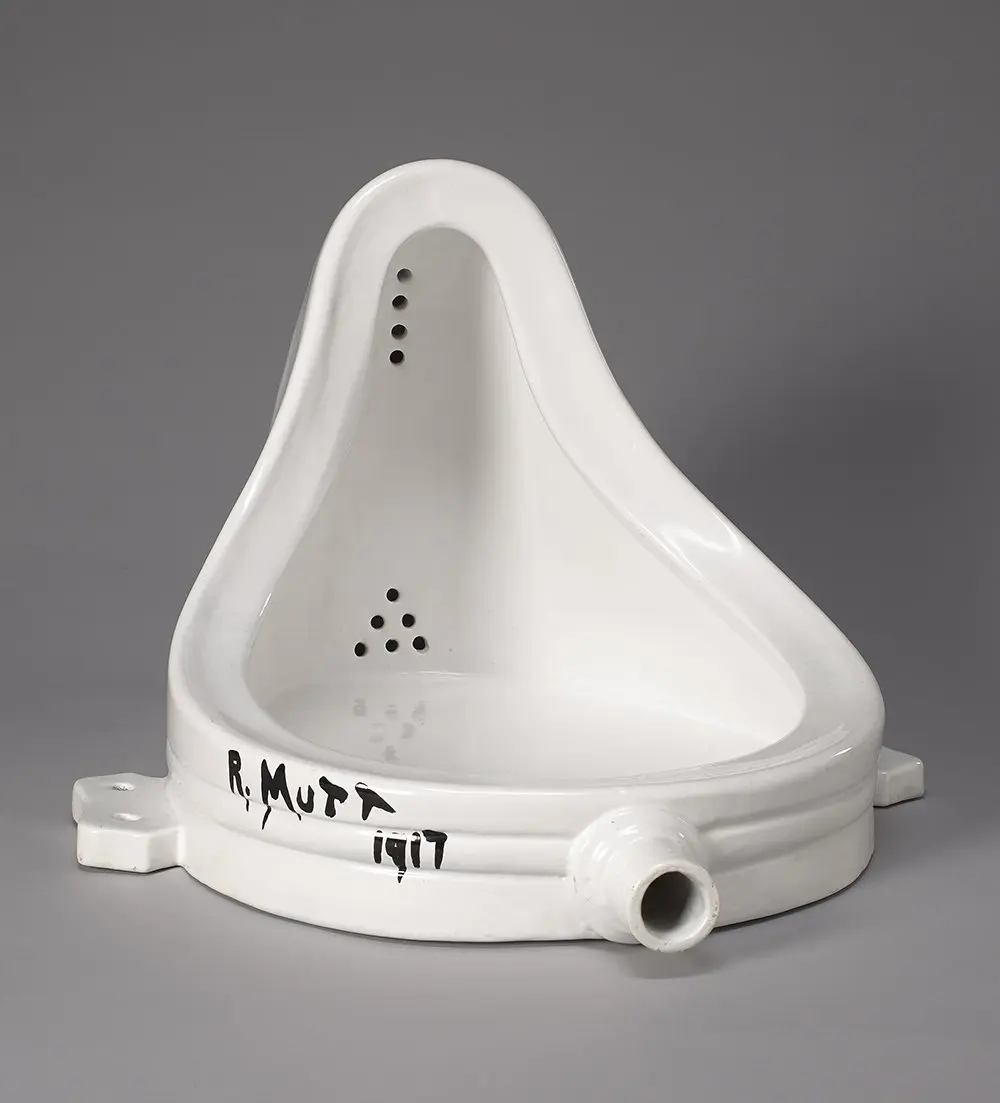
    Duchamp, Höch, Arp, and Cabaret Voltaire companions offered nonsense, mannequins, and cut-up newspapers to mock a world at war, choosing readymade objects, photomontage, and chance procedures in place of academic craft.

  34. Surrealism representative artwork

    c. 1924–1950

    Surrealism

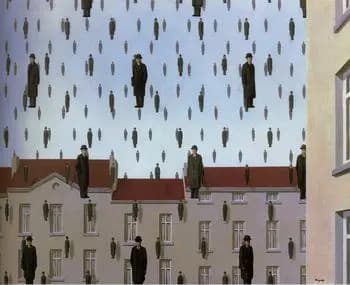
    Dalí, Ernst, Miró, Tanguy, and Kahlo painted dream beaches, biomorphic signs, and uncanny self-portraits to tap the unconscious, practicing automatic drawing, oil with Old Master glazes, frottage, and collage to let chance and memory meet.

  35. Bauhaus and International Modernism representative artwork

    1919–1933

    Bauhaus and International Modernism

    Teachers and students like Gropius, Klee, Moholy-Nagy, and Le Corbusier designed modular housing, alphabets, and furnishings to unite art with industry, using tubular steel, glass curtain walls, photograms, and crisp sans-serif printing in primary colors.

  36. Abstract Expressionism representative artwork

    c. 1943–1965

    Abstract Expressionism

    Pollock, de Kooning, Rothko, and Frankenthaler flung gestures and floating fields to make inward states visible after war, working on unstretched canvas on the floor with house enamel, thinned oil stains, palette knives, and epic scale.

  37. Pop Art representative artwork

    c. 1955–1970

    Pop Art

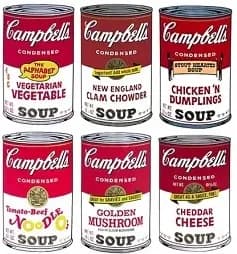
    Warhol, Lichtenstein, Rauschenberg, and Oldenburg lifted soup cans, comics, and billboards to mirror consumer life, repeating images with silkscreen, Ben-Day dots, assemblage of cast-off goods, and glossy industrial paints.

  38. Contemporary representative artwork

    c. 1960–present

    Contemporary

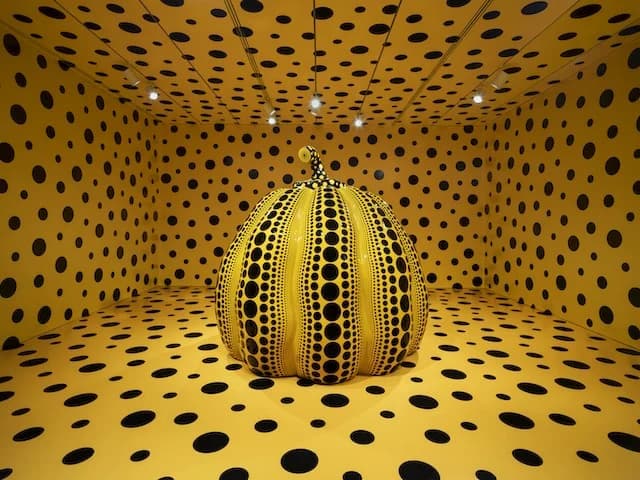
    From Minimalism’s boxes, slabs, and baths of light to conceptual scores, performances, postmodern quotation, and today’s digital and global practices, contemporary art expands what art can be and how it circulates. Artists fabricate industrial units, wire fluorescent tubes, stage actions, print photo-texts, bend steel and titanium, edit video essays, model virtual worlds, weave recycled materials, and distribute work through screens and networks as readily as through galleries—shifting emphasis from object to idea, perception, identity, politics, and systems that shape lived experience.